Why Industrial Epoxy Flooring Is Gaining Popularity in Tanzania
Industrial spaces require flooring that can withstand pressure, chemicals, machinery, and constant foot traffic. That’s why Industrial Epoxy Flooring in Tanzania has become a top choice for factories, workshops, warehouses, showrooms, garages, and other demanding environments. Known for its exceptional strength and smooth finish, epoxy flooring offers both durability and a professional appearance that boosts efficiency and safety in busy workplaces.
From Dar es Salaam’s industrial zones to Arusha’s manufacturing hubs, more businesses are turning to epoxy flooring as a long-term, cost-effective flooring solution.
Industrial floors face challenges that ordinary flooring materials cannot handle. Epoxy flooring is specially engineered to handle heavy loads, chemicals, oils, and constant movement.
Built for Heavy Machinery
Epoxy creates a strong, seamless surface that supports forklifts, vehicles, and heavy equipment without cracking.
Resistant to Chemicals and Oil Spills
Factories and workshops often deal with oils, grease, fuel, and chemicals. Epoxy flooring resists stains and chemical damage better than bare concrete.
Easy to Clean and Maintain
A smooth, non-porous surface makes cleaning fast and simple. Dust, dirt, and spills are easy to wipe away.
Improves Workplace Safety
Epoxy surfaces can be made anti-slip, reducing accidents in busy work areas. Reflective coatings also brighten dim spaces.
Types of Industrial Epoxy Flooring in Tanzania
Different industries require different performance levels, and epoxy flooring comes in several varieties.
Self-Leveling Epoxy Floors
Ideal for creating smooth, seamless surfaces in warehouses and manufacturing centers.
Epoxy Mortar Floors
One of the strongest epoxy systems, perfect for heavy industrial production, workshops, and mechanical garages.
Anti-Static Epoxy Floors
Essential for areas where static electricity must be controlled, such as electronics workshops and laboratories.
Chemical-Resistant Epoxy Floors
Formulated specifically for factories handling acids, oils, solvents, and harsh chemicals.
Quartz-Filled Epoxy Systems
These floors offer both strength and slip resistance, ideal for safety-focused industrial environments.
Where Industrial Epoxy Flooring Is Used in Tanzania
Epoxy is versatile and serves many industries across the country.
Manufacturing Plants
Factories in Dar es Salaam, Tanga, Mwanza, and Arusha prefer epoxy due to its durability and easy maintenance.
Workshops and Auto Garages
Epoxy handles oil, grease, and tool impact—making it ideal for mechanics and automotive service centers.
Warehouses and Storage Units
A hardwearing surface ensures safe movement of goods, forklifts, and trolleys.
Food Processing Facilities
Seamless, hygienic, and easy to sanitize—perfect for food-related industries.
Commercial Buildings and Showrooms
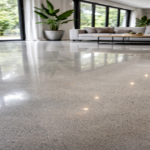
The glossy appearance and clean finish enhance product displays and improve customer impressions.
Benefits of Using Industrial Epoxy Flooring in Tanzania
Highly Durable and Long-Lasting
Epoxy floors last many years even under extreme usage. This makes them a cost-effective investment.
Seamless and Hygienic
Since there are no joints or gaps, epoxy prevents dirt, bacteria, and debris from accumulating.
Improved Light Reflection
The shiny surface reflects light, reducing electricity usage in large industrial halls.
Slip and Fire Resistant Options
Special coatings enhance safety in hazardous environments.
Customizable Appearance
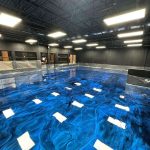
Epoxy can be colored, marked, or patterned to create walkways, safety zones, and equipment areas.
How Industrial Epoxy Flooring Is Installed
A proper installation ensures long-term performance, especially in industrial settings.
Step 1: Surface Preparation
Concrete surfaces are cleaned, repaired, and ground to remove imperfections. This step is essential for proper bonding.
Step 2: Priming the Surface
A primer coat is applied to strengthen adhesion and seal the concrete.
Step 3: Mixing the Epoxy Components
Resin and hardener are blended to create a strong, chemical-resistant mixture.
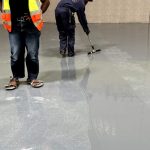
Step 4: Applying the Epoxy Layers
Depending on the system, multiple coats are applied—some may include quartz, flakes, or special additives.
Step 5: Final Sealing
A topcoat protects the floor from scratches, chemicals, and wear.
Step 6: Curing the Floor
Epoxy needs 24–72 hours to dry depending on the environment before full use.
Maintenance Tips for Industrial Epoxy Floors
Epoxy floors are easy to maintain, but proper care increases their lifespan.
Regular Sweeping and Mopping
Removing dust and dirt helps maintain the shine and reduces wear.
Clean Spills Immediately
Oil or chemical spills should be cleaned quickly to avoid surface staining.
Avoid Sharp or Heavy Impacts
While epoxy is strong, sharp tools dropped repeatedly can cause dents.
Use Soft-Rubber Wheels on Equipment
This prevents scratches and prolongs the surface finish.
Schedule Periodic Recoating
A fresh topcoat every few years keeps the floor looking new and protected.
Choosing a Professional Epoxy Flooring Contractor in Tanzania
To get the best performance out of epoxy flooring, hiring a skilled installer is important.
Check Their Experience
Industrial epoxy requires expertise—ask to see previous installations in factories or commercial places.
Confirm Product Quality
High-grade epoxy resin systems last longer and perform better under heavy use.
Ask About Warranty and Support
Professional contractors offer warranties on both materials and workmanship.
Request a Clear, Detailed Quote
A complete quotation helps avoid unexpected charges during installation.
Why Industrial Epoxy Flooring Is a Smart Investment
Industrial facilities demand flooring that can perform under pressure. With its durability, strength, and easy maintenance, Industrial Epoxy Flooring in Tanzania provides long-term value and improved safety for workshops and commercial environments. Whether you are building a new facility or upgrading an old one, epoxy flooring delivers unmatched reliability and a professional finish suitable for any industrial setup.
Frequently Asked Questions (FAQs)
1. How long does industrial epoxy flooring last?
Most epoxy floors last 10–20 years depending on usage, maintenance, and installation quality.
2. Can epoxy flooring handle heavy machinery?
Yes. Industrial epoxy is designed to withstand machinery, forklifts, and constant foot traffic.
3. Is epoxy flooring safe for food or medical industries?
Absolutely. Its seamless, hygienic surface makes it suitable for hospitals, clinics, and food processing plants.
Meta Description
Discover Industrial Epoxy Flooring in Tanzania—durable, chemical-resistant, and perfect for workshops, warehouses, factories, and commercial floors.
Need Professional Flooring Services?
Get expert flooring solutions tailored to your specific needs. Explore our services or get a free quote today.
Transform Your Space Today
Don't wait to have the beautiful, durable floors you deserve. Our team of experts is ready to bring your vision to life with premium flooring solutions.
Get Your Free Consultation