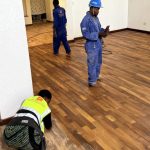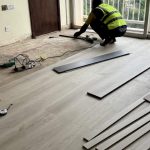
Step 1: Preparation and Repairs
Many older homes in Kampala, Entebbe, and across Uganda are blessed with original hardwood floors hidden under layers of old finish, paint, or carpets. Instead of the costly and wasteful route of tearing them out, restore hardwood floors Uganda is a transformative process that can revive their inherent beauty and character, often increasing your home's value. This comprehensive guide walks you through the professional steps of sanding, staining, and sealing, helping you understand what it takes to bring a worn, tired floor back to life, whether you're managing the project or hiring experts like Precision Flooring Uganda.
Assessment: Is Your Floor a Candidate for Restoration?
Not every wood floor can be saved. A professional assessment is crucial.
- Check the Thickness: The most important factor is the amount of "wear wood" left above the tongue-and-groove. If the floor has been sanded many times before, it may be too thin to sand again without risking damage.
- Identify the Wood Species: Knowing if it's a local hardwood like Mvule or Mahogany, or an imported species like Oak, helps determine hardness and appropriate sanding techniques.
- Look for Major Damage: Extensive water damage, rot, termite infestation, or severe warping may require board replacement or a different approach.
- Evaluate the Subfloor: The underlying structure must be sound. Squeaks or movement need to be addressed before refinishing.
The Professional Restoration Process: A Step-by-Step Breakdown
A proper restoration is a multi-stage process that requires specific equipment and expertise.
This foundational step ensures a smooth final product.
- Clear the Room: Remove all furniture, rugs, and curtains.
- Inspect and Secure: Hammer down any protruding nails and secure loose floorboards to the joists below.
- Board Replacement: Damaged or irreparable boards are carefully cut out and replaced with new wood of the same species, which is then acclimatized.
- Fill Gaps (Optional): Small gaps between planks can be filled with a tinted wood paste. In Uganda's climate, some prefer to leave minor gaps as wood naturally expands with humidity.
Step 2: Sanding – The Heart of the Process
This removes the old finish and creates a perfectly smooth, level surface. It's a three-phase machine sanding operation:
- Drum Sander (Coarse Grit): A large, powerful sander levels the floor and strips off the old finish. It requires skill to avoid creating dips or gouges.
- Edger Sander: A specialized sander reaches the corners and edges the drum sander cannot.
- Finishing Sanders (Medium to Fine Grit): A multi-disc sander or buffer is used with progressively finer grits (e.g., 80, then 100, then 120) to eliminate scratches and create a silky-smooth surface.
- Dust Control: Modern sanders are almost always connected to industrial dust containment systems. This is a key question to ask any contractor, as it keeps your home clean and safe.
Step 3: Staining (Optional)
This is where you can change or enhance the wood's color.
- After sanding, the raw wood must be thoroughly cleaned of all dust with a vacuum and tack cloth.
- A stain is applied with a brush or rag, left to penetrate for a few minutes, and then wiped off to achieve the desired shade. The longer it sits, the darker the result.
- Testing the stain on an inconspicuous area or a spare board is essential.
- Many homeowners choose to skip staining to showcase the wood's natural color, especially with beautiful local species like Mvule.
Step 4: Sealing and Finishing
This applies the protective topcoat that will define the floor's look and durability.
- Application: The finish (oil-based polyurethane, water-based polyurethane, or hardwax oil) is applied in thin, even coats using a specialized applicator.
- Drying and Sanding Between Coats: Each coat must dry completely. A very light buffing with a fine abrasive screen (e.g., 220 grit) is done between coats to ensure perfect adhesion for the next layer.
- Number of Coats: Typically, 2-4 coats are applied for a durable, long-lasting surface. High-traffic areas benefit from more coats.
Types of Finishes for Ugandan Homes
The choice of finish impacts appearance, durability, and maintenance.
| Finish Type | Appearance & Feel | Durability & Dry Time | Maintenance & Repair |
|---|---|---|---|
| Oil-Based Polyurethane | Amber tone that warms over time. Classic, glossy to satin sheens. | Very durable. Slow dry time (24 hrs/coat). Strong odor during application. | Tough surface. Scratches may require resanding entire section to repair. |
| Water-Based Polyurethane | Clear, doesn't yellow. Modern look from matte to high gloss. | Durable. Fast dry time (2-4 hrs/coat). Low odor. | Similar to oil-based. Easier for spot repairs due to clear layering. |
| Hardwax Oil (e.g., Osmo) | Natural, matte look that enhances wood grain. Warm, tactile feel. | Good durability, but softer. Penetrates wood. 24-hr cure. Low odor. | Easiest to spot-repair. Scratches can be buffed and re-oiled locally without resanding entire floor. |
Why Professional Restoration is Highly Recommended
While DIY kits exist, professional refinishing is a complex job with a high risk of error for amateurs.
- Equipment: Professionals use industrial sanders and dust extraction systems you cannot rent.
- Skill: Avoiding "sander trails," gouges, and uneven stain requires experience.
- Efficiency & Quality: A professional crew can complete a room in 3-5 days with flawless results, whereas DIY can take weeks and may have imperfections.
- Warranty: Work done by a certified installer like Precision Flooring Uganda comes with a warranty on both materials and labor.
Post-Restoration Care for Your "New" Floor
To protect your investment and extend the life of the finish:
- Initial Cure: Allow the finish to cure fully (usually 1-2 weeks) before moving heavy furniture back in. Use protective felt pads on all furniture legs.
- Routine Cleaning: Sweep or vacuum regularly. Damp mop with a cleaner specifically designed for your type of floor finish.
- Protect from Sun & Water: Use rugs in high-traffic areas and curtains to prevent UV fading. Wipe up spills immediately.
- Humidity Control: In Uganda's climate, using a dehumidifier in very wet weather can help minimize wood movement and protect the finish.
Reclaiming a Piece of History
Restoring hardwood floors Uganda is more than a home improvement project; it's an act of preservation. It uncovers the unique grain, character, and warmth that only real, aged wood can provide. By entrusting the job to skilled professionals, you ensure that the original craftsmanship of your home is honored and given a new lease on life that will last for decades to come.(Restore Hardwood Floors Uganda)
Have hidden hardwood floors you'd like to assess? Contact Precision Flooring Uganda for a professional evaluation. We can determine if your floors are restorable, provide samples of stains and finishes, and give you a detailed quote to transform your space by revealing its most beautiful foundation.(Restore Hardwood Floors Uganda)
Need Professional Flooring Services?
Get expert flooring solutions tailored to your specific needs. Explore our services or get a free quote today.
Transform Your Space Today
Don't wait to have the beautiful, durable floors you deserve. Our team of experts is ready to bring your vision to life with premium flooring solutions.
Get Your Free Consultation